
19 Examples of Wearable Technology in Healthcare and Wearable Medical Devices


This dominance is driven by increasing consumer focus on preventive health, wellness tracking, and lifestyle management. Devices equipped with sensors and microcontrollers enable individuals to monitor key vital signs and make informed health decisions. Growing awareness of lifestyle-related diseases, rising popularity of wellness apps and platforms, and the classification of many devices as low-risk wellness products further support adoption. The development of wearable sensors in the health care market has been relatively slow, despite wearable devices having emerged as a major part of lifestyle and fitness markets. Although previous reviews have discussed consumer trends in wearable electronics and the application of wearable technology in recreational and sporting activities, data on broad clinical usefulness are lacking.
- For instance, the FreeStyle Libre and Dexcom G6 are CGMs that measure glucose levels in interstitial fluid through a small sensor inserted just under the skin.
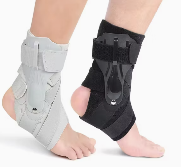
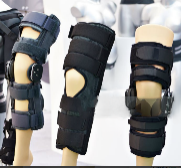
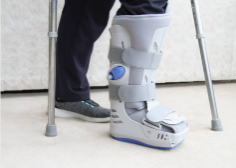
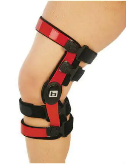
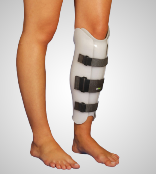
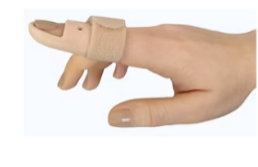
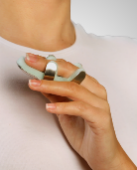
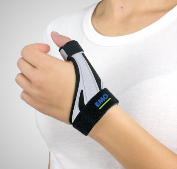
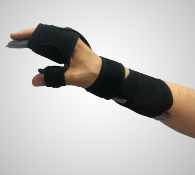
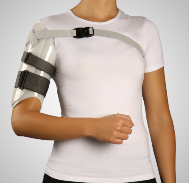
- The role of wearables in orthopedic rehabilitation has become more crucial due to the difficulties in adhering to traditional methods such as exercise and drug therapy.
- Traditional software development approaches struggle with wearable healthcare projects due to constantly evolving requirements, regulatory complexities, and the need for rapid iteration based on clinical feedback.
- Wearable technology is revolutionizing how we interact with the world, from smartwatches and rings that track fitness goals to headbands that help you sleep and relax.
- The Ochsner Health System and Kaiser Permanente each designed a digital health program for the management of hypertension and diabetes, respectively36,37,38.
Integrate with Existing Systems
- With its stylish, discreet design, the Embr Wave 2 works by activating the temperature-sensitive nerves in your inner wrist to help you feel warmer or cooler as needed.
- They also function as accountability companions, empowering users to advance toward their fitness goals while offering real-time insights about their progress.
- In addition, the rapid development of materials in recent years has also promoted research outcomes of multiple types of biosensor devices based on multiple detection principles in the healthcare field and it is necessary to organize and review them.
- Smart clothing with embedded sensors can seamlessly track biometrics without the need for separate devices.
- How to adapt to a measurement environment affected by multiple factors is critical to the acceptance of wearable devices.
Whether instructing patients on using wearable drug delivery devices or encouraging them to adopt wellness monitoring apps on smartwatches, effective nurses know their way around wearable devices. Regardless of their degree, nurses work directly with patients in diagnostics, treatment, and therapeutics, all applications ripe for wearable medical devices. Both traditional and online RN programs and other nursing degrees makes earning your credentials possible no matter your schedule. The most recent Apple Watch combines the best features of a smartwatch with health and fitness features that promote daily physical activity.
Wearable Healthcare Devices Market, By Type

This kind of flexible liquid crystal polymer device has great application prospects in the field of wearable sensing healthcare devices. Furthermore, some wearables require a certain level of technical literacy to operate and interpret data. Bridging this digital divide is crucial to ensure equitable access to wearable technology and the potential health benefits https://pluginhighway.ca/blog/battery-and-doctor-how-to-extend-the-life-of-your-smartphone-battery it offers for all populations. For some people, using wearables to constantly monitor your health and fitness can lead to anxiety—a phenomenon known as cyberchondria. “There’s a point where tracking too much can become harmful if it becomes obsessive,” says Dr. Haythe.

Best AI Smartwatches
Healthcare providers can now monitor patients’ health from a distance, making healthcare more accessible. This is particularly beneficial for patients residing in remote areas or those unable to visit healthcare facilities frequently. Today’s health wearable devices include a wide range of body monitoring products, from wrist-based trackers to implantable biosensors, each playing a growing role in clinical care. The study involved major activities in estimating the current market size for the wearable healthcare devices market.
As wearable technology continues to evolve, the future of healthcare looks increasingly personalized, proactive, and data-driven. Innovations like AI-powered predictive analytics and advanced sensor technology push wearables to the next level, offering https://bussinessfair.info/author/ashley-davis even more precise insights into patient health. Instead of waiting weeks for lab results or check-ups, patients can monitor their vitals daily and adjust their behaviors immediately.

No Time to Exercise? How to Lose Weight and Get in the Best Shape You’ve Ever Been
- In addition, taking ISF is much less invasive and less painful than taking blood, which is a great advantage, especially during long-term monitoring.
- The new platform also differed from usual care by providing participants with direct technical support to personally address technical issues.
- The HWD demonstrates sensitivity of 71.90 ± 0.8 mV unit−1 and 56 ± 1 mV unit−1 for pH and sodium ions respectively with a response time of around ~90 s.
- Notable CGMs are Dexcom G6, Abbott’s FreeStyle Libre System, and Medtronic Guardian Connect123,124,125.
- For older adults, a high-quality independent life requires solutions to complex nursing needs related to mobility, intelligence, and independent living, which can be provided by the characteristics of wearable technology 30.
- The ultrathin layer of PZT adheres to the epidermis and responds to changes in arterial pulses.
In this section, we will provide some representative examples of physical-based sensors applications, and then focus on the applications of biochemical-based sensors. This sensor identifies different breathing patterns and rates by peak current and frequency. When measured after the individual drank water, the response increased by 25–35%, indicating that the individual’s water and levels could be monitored. Because graphene nanosheets can induce thermal radiation effects, a 34% enhancement in the fall time of the breath sensor was observed when infrared illumination was received. In addition, protein-based biodegradable composites (Figure 2e,f) are also one of the research hotspots 73,74.