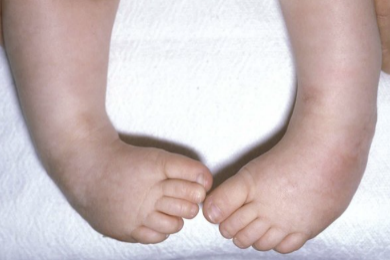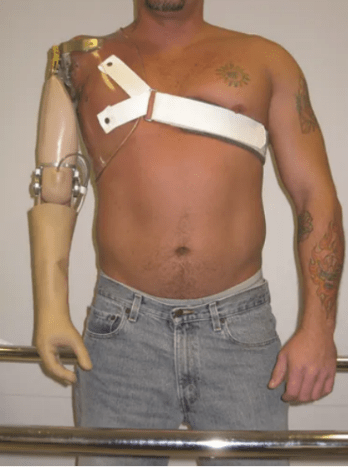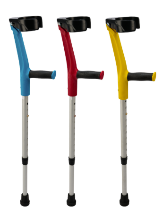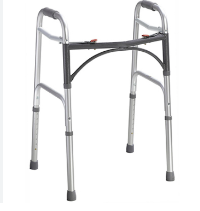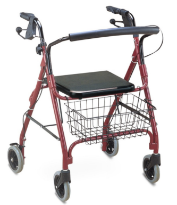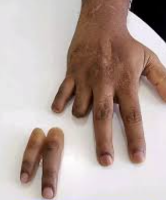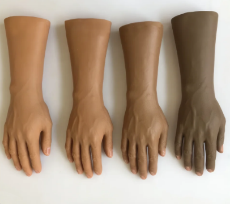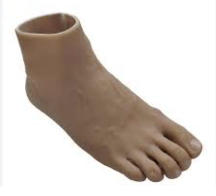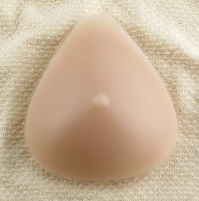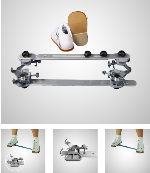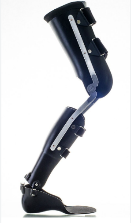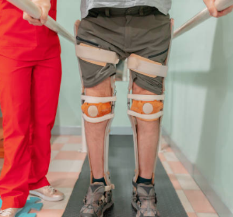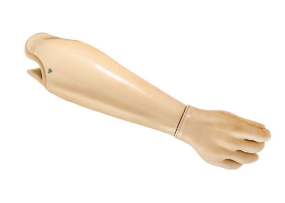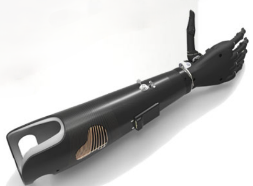
Upper limb orthotics are specialized devices designed to support, stabilize, or correct the function of the arm, wrist, hand, or fingers. These orthotics are custom-made to address a variety of conditions, including fractures, neurological disorders, and congenital deformities. They provide critical support to improve joint mobility, reduce pain, and enhance overall limb function. Whether for rehabilitation after surgery, injury, or long-term management of a chronic condition, upper limb orthotics are key to restoring comfort and promoting a more independent lifestyle. With advanced materials and designs, they ensure both functionality and a natural fit for the user.

Orthotics for Upper Limbs
Enhancing Functionality and Comfort
Restoring Strength and Mobility
Upper limb orthotics are custom-designed devices that provide support and improve the functionality of the arm, hand, wrist, or fingers. These orthotics help individuals recover from injuries, manage chronic conditions, or correct joint deformities, ensuring optimal support and stability. Whether designed to protect, assist in movement, or reduce pain, they enhance mobility and quality of life. Made from lightweight, durable materials, upper limb orthotics offer both comfort and long-term usability. With the right orthotic device, individuals can regain independence, perform everyday tasks, and improve overall arm function.
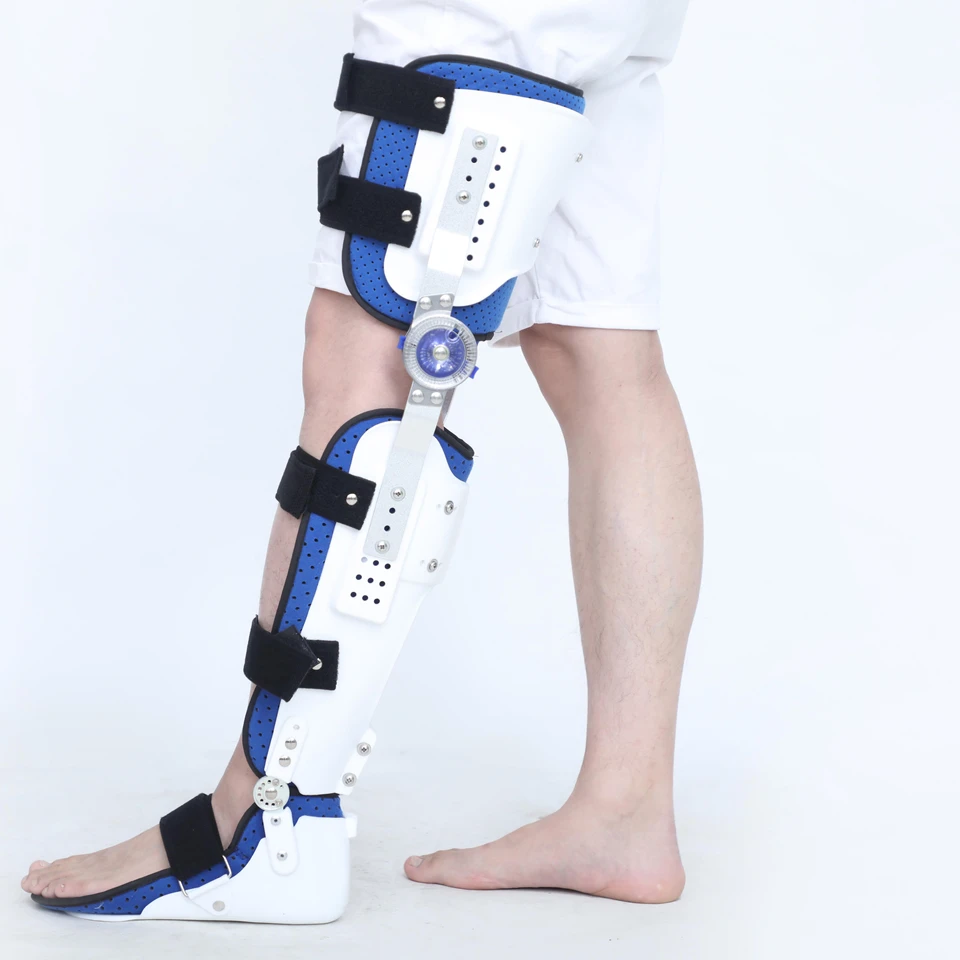
Supporting Healing and Restoring Function
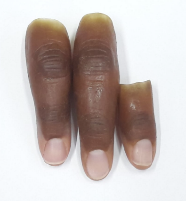
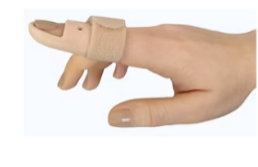
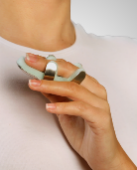
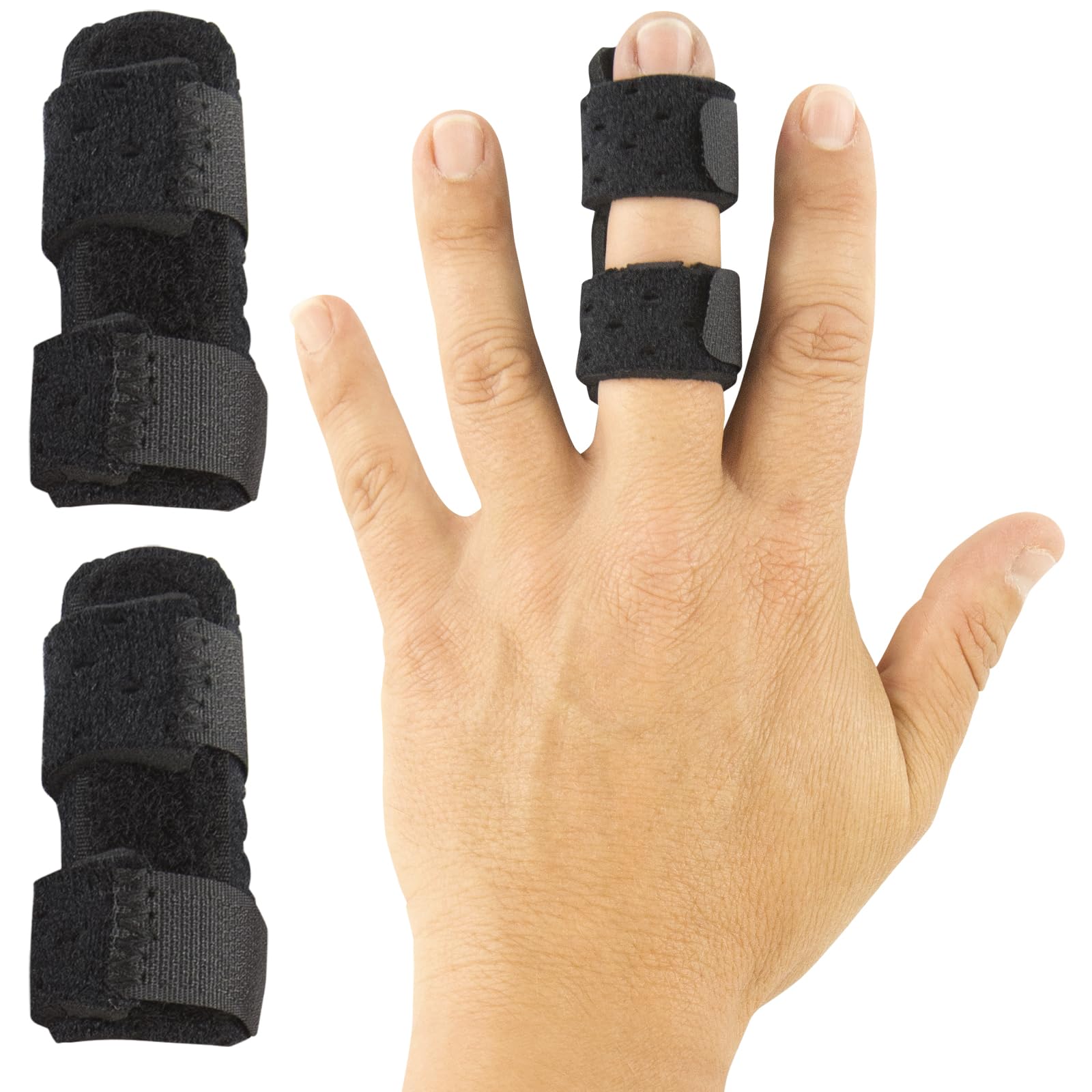
A finger splint is a medical device designed to immobilize and support a finger that has been injured or is recovering from surgery. It helps prevent further damage, reduces pain, and aids in the healing process by keeping the finger in the correct position. Customizable for different conditions, finger splints are often used to treat fractures, sprains, or tendon injuries. Made from lightweight and durable materials, they provide comfort while ensuring effective immobilization. A finger splint is essential for promoting proper healing and restoring functionality, allowing individuals to regain full use of their hand.
Enhancing Stability and Comfort for Hand Injuries
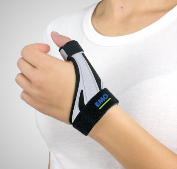
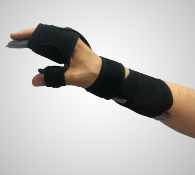
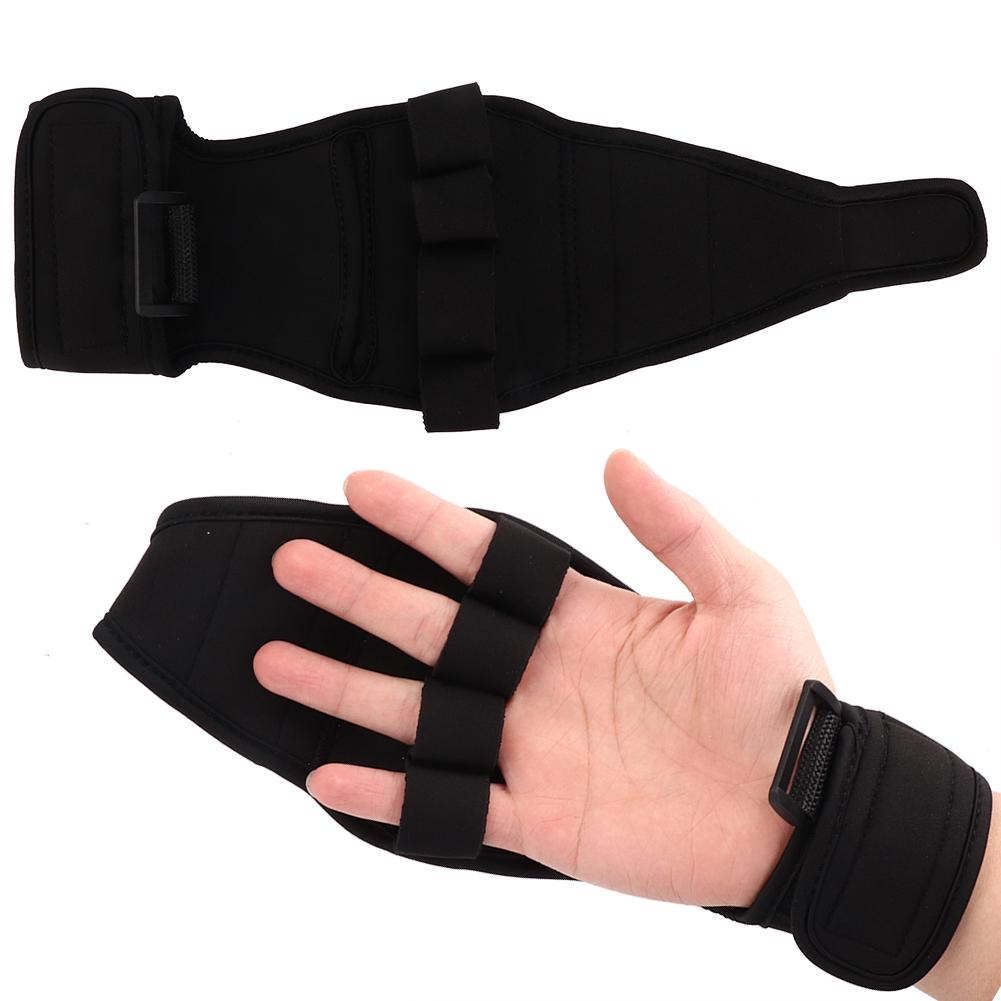
Hand support devices are designed to provide stability and relief for individuals experiencing pain, weakness, or injury in their hands. Whether due to conditions like arthritis, fractures, or tendonitis, these supports help immobilize the hand, reducing strain and promoting healing. Custom-fitted for comfort, hand supports are made from lightweight and breathable materials, ensuring ease of movement while maintaining stability. They are essential for supporting the hand during recovery, preventing further injury, and improving grip strength and overall functionality. With the right hand support, individuals can regain confidence and comfort in their daily activities.
Restoring Stability and Comfort for Wrist Injuries
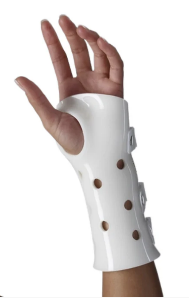
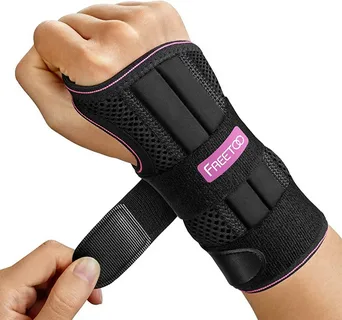
Wrist support devices are designed to stabilize and protect the wrist during the healing process from injuries, strains, or chronic conditions like carpal tunnel syndrome. These supports help alleviate pain, reduce swelling, and prevent further damage by limiting unnecessary movement. Made from lightweight, breathable materials, wrist supports provide a comfortable fit while offering essential immobilization and protection. Whether for rehabilitation after an injury or to manage a long-term condition, wrist supports enhance stability, allowing individuals to regain full wrist function and continue with daily activities.
Enhancing Comfort and Stability for Elbow Injuries
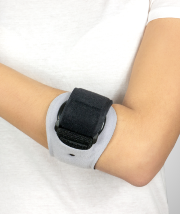
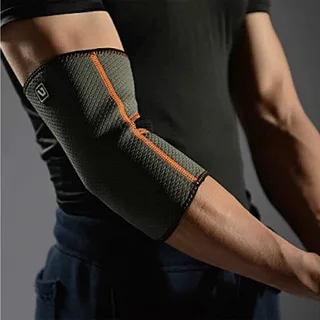
Elbow support devices are designed to provide stability and relief for individuals dealing with elbow injuries, strains, or conditions like tennis elbow or arthritis. These supports help reduce pain, swelling, and prevent further injury by limiting excessive movement. Made from durable yet lightweight materials, elbow supports offer comfort while ensuring proper alignment and protection during daily activities. Whether used during recovery or to manage chronic conditions, an elbow support can improve mobility, enhance healing, and provide relief, allowing individuals to regain functionality and comfort in their elbow joint.
Restoring Stability and Comfort for Upper Arm Injuries
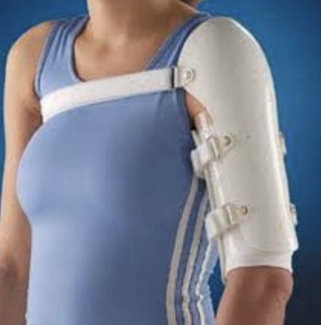
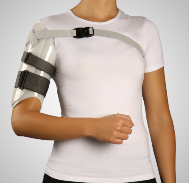
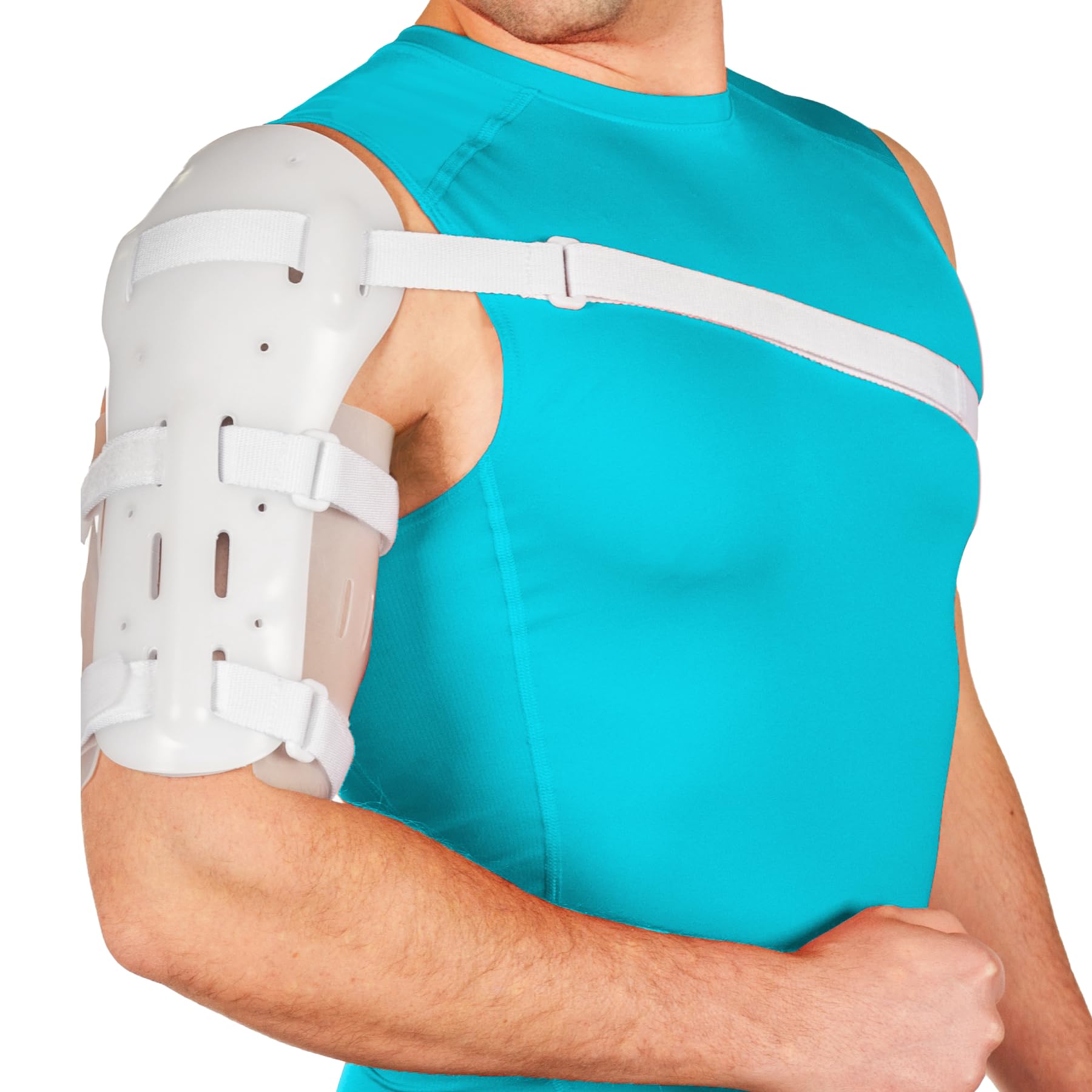
Humeral support devices are designed to stabilize and protect the upper arm (humerus) following fractures, injuries, or surgical procedures. These supports help reduce pain, prevent further damage, and promote healing by limiting the movement of the arm. Made from lightweight, breathable materials, humeral supports provide comfort while ensuring secure immobilization. Whether for short-term recovery or long-term management of an injury, humeral supports play a crucial role in enhancing healing, restoring arm function, and allowing individuals to regain their daily mobility and strength.
Enhancing Stability and Recovery for Shoulder Injuries
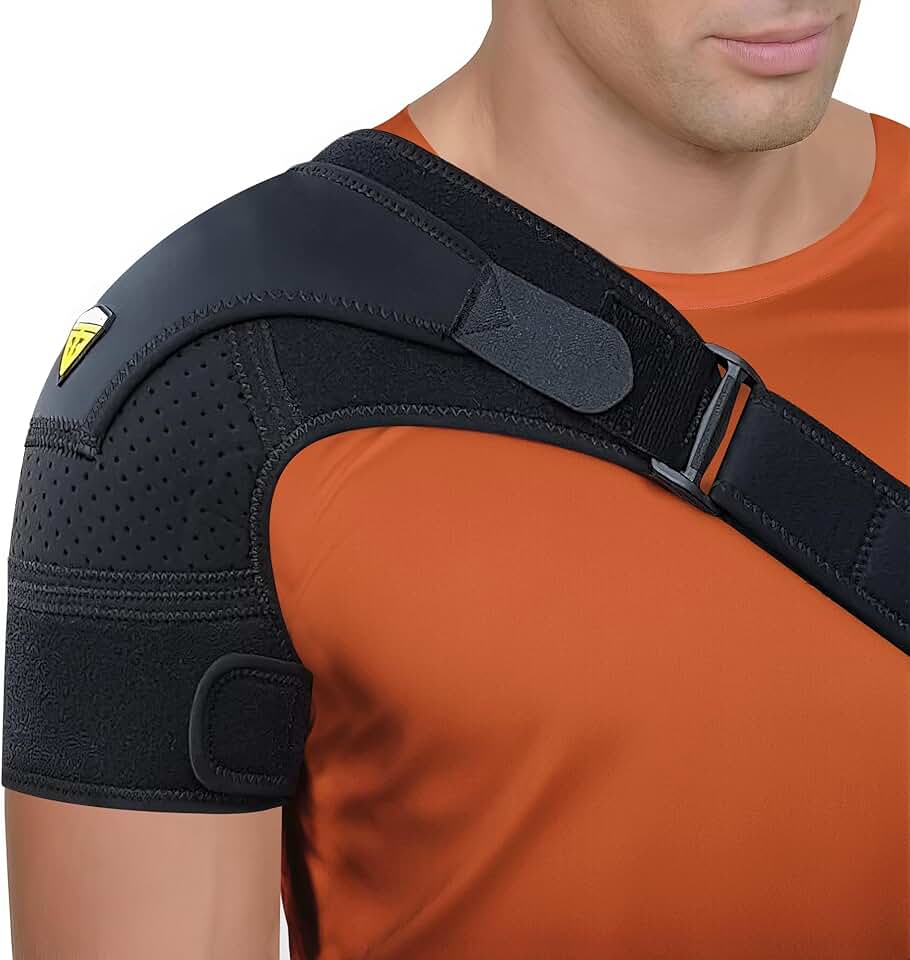
Shoulder support devices are designed to provide stability and relief for individuals suffering from shoulder injuries, strains, or conditions like rotator cuff tears and dislocations. These supports help reduce pain, prevent further damage, and promote healing by limiting unnecessary movement and stabilizing the shoulder joint. Crafted from lightweight, breathable materials, shoulder supports offer comfort while ensuring secure immobilization and protection. Whether used for rehabilitation or managing chronic conditions, shoulder support devices assist in regaining strength, restoring function, and allowing individuals to resume daily activities with confidence.
Comprehensive Stability and Protection for Arm Injuries
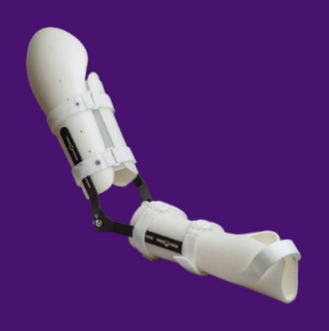
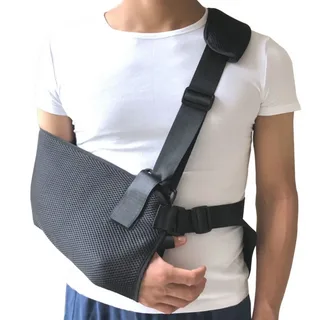
Full arm support devices are designed to provide complete stability and protection for individuals recovering from severe arm injuries or surgeries. These supports cover the entire arm, from the wrist to the shoulder, helping to immobilize and reduce strain on the arm while it heals. Made from durable, lightweight materials, full arm supports offer comfort and security, preventing further injury and ensuring proper alignment during recovery. Whether following fractures, surgeries, or managing chronic conditions, full arm support is essential for regaining full arm function, promoting healing, and allowing individuals to resume their daily activities safely.
- Book a Consultation
Designed for You
We believe every patient deserves a prosthesis that suits their lifestyle. Our experts provide counseling, fitting, and rehabilitation support to ensure a smooth transition and ongoing comfort.
Frequently Asked Questions
Upper Limb Orthotics are custom-made devices designed to support, stabilize, and improve the function of the arm, wrist, hand, or fingers. They are used to manage conditions such as fractures, arthritis, tendonitis, and neurological disorders. Orthotics help alleviate pain, improve mobility, and assist in rehabilitation by providing proper alignment and limiting unnecessary movement.
A finger splint immobilizes and supports injured or recovering fingers, aiding in the healing of fractures, sprains, or tendon injuries. By keeping the finger in a proper position, it reduces pain, prevents further injury, and promotes faster healing. Splints can be custom-designed for individual needs and provide comfort during the recovery process.
A hand support provides stability and relief for individuals with weak or injured hands. It helps protect the hand from further strain or injury while improving comfort and functionality. Whether used for conditions like arthritis, tendonitis, or following surgery, hand supports promote healing and allow for better grip and movement.
Wrist support stabilizes the wrist joint, reducing pain and preventing further injury. It's commonly used for conditions like carpal tunnel syndrome, sprains, fractures, or tendonitis. Wrist supports limit excessive movement while providing comfort and allowing for safe mobility, assisting in both rehabilitation and long-term injury management.
An elbow support stabilizes the elbow joint, helping to reduce pain and prevent further injury caused by strains, sprains, or chronic conditions like tennis elbow. It also aids in the healing process after surgery or trauma by limiting unnecessary movement, allowing for a faster recovery and reducing the risk of re-injury.
When is Full Arm Support necessary?