Protocolo do paciente no MRDC
Sua jornada de tratamento no MRDC
Um guia passo a passo sobre como apoiamos você na reabilitação protética e ortopédica.
1. Registro e criação de arquivo de paciente
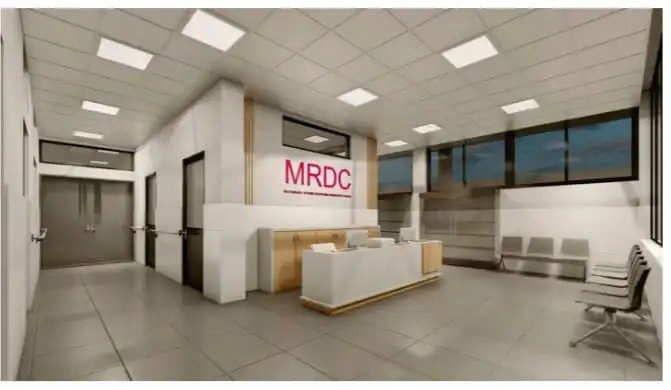
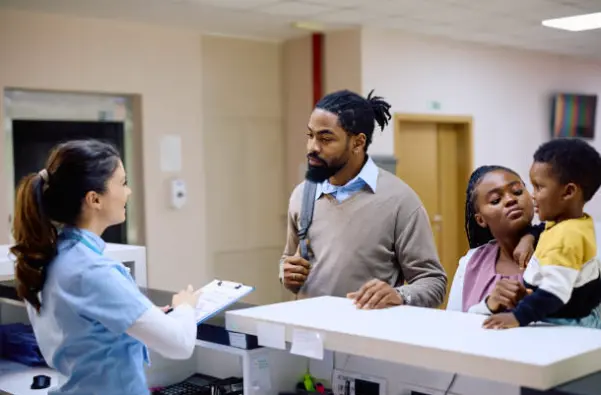
Upon arrival, our reception staff will collect some basic information, including your name, father’s name, national ID number, age, and the nature of your disability or complaint.
If your condition falls within our scope of rehabilitation, you will be registered in our system and assigned a unique registration number.
2. Creation of Patient File
A patient file is created using your name and registration number. You will then be asked to wait in the waiting area while your file is forwarded to the Prosthetist/Orthotist for consultation.
3. Consultation
During consultation, the Prosthetist & Orthotist (P&O), accompanied by a physiotherapist if required, will:
- Take a detailed medical and treatment history
- Review previous prescriptions, referrals, or report
- Conduct a thorough physical assessment
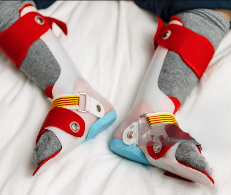
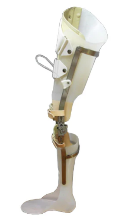
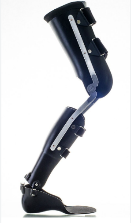
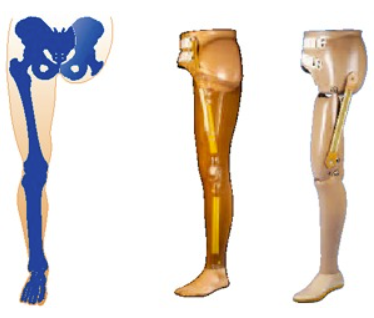
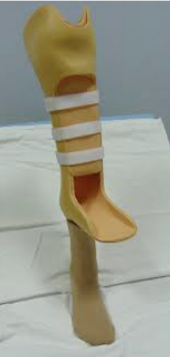
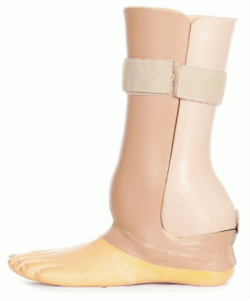
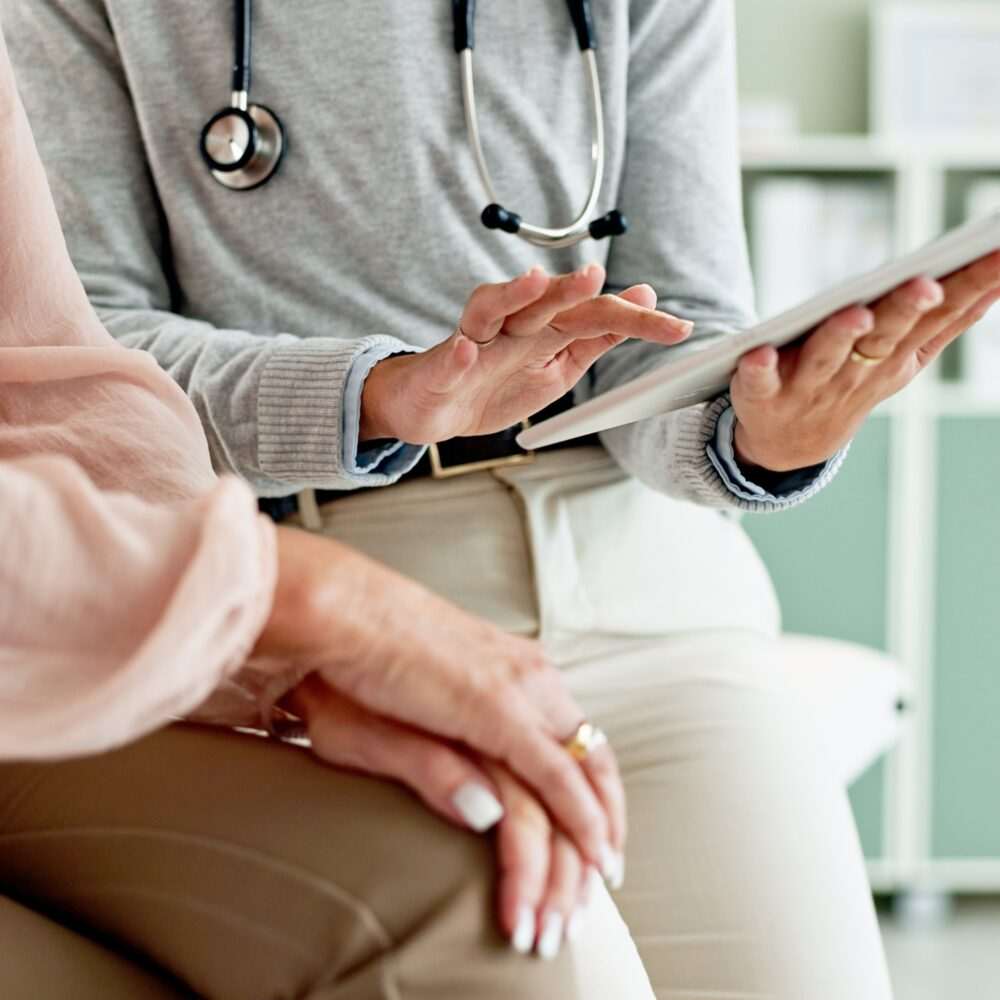
Based on these findings, the team will identify your diagnosis/disability and recommend the most appropriate prosthetic or orthotic device. Depending on the device type, you may be offered options to choose from based on your clinical needs, lifestyle, and financial considerations.

4. Referrals
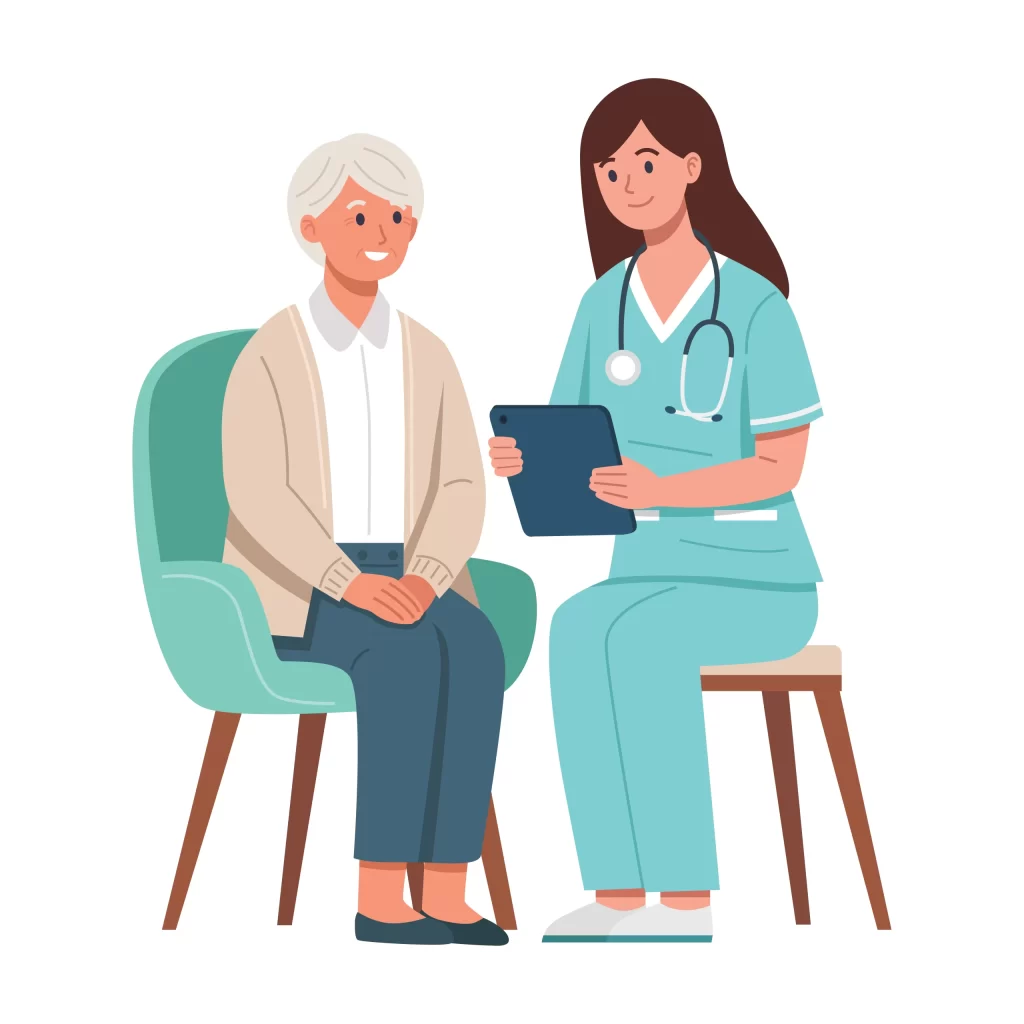
If necessary, you may be referred to a specialist doctor or physiotherapist for further assessment, pre-prosthetic or pre-orthotic preparation, or any required medical or surgical procedures.
5. Casting
You may be casted on the same day or given an appointment for casting.
Casting involves taking an impression of your residual limb or affected body part using Plaster of Paris (POP) bandages and taking few of the measurements. After casting, you will receive a date for your first fitting.
6. Modification, Fabrication & Alignment
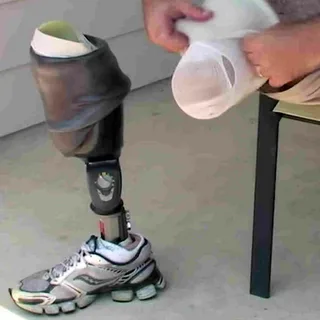
Your POP cast is filled and shaped to create a precise mold. The prosthetic or orthotic device is then fabricated through processes such as modification, lamination, molding, finishing, and static alignment to ensure a custom-made fit.
7. First Fitting & Gait Training
We strive to have your device ready by the scheduled date. If any delay occurs, you will be informed in advance.
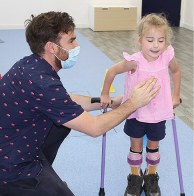
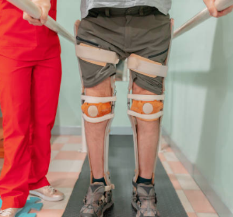
During your visit, the device will be fitted in the designated fitting area. Depending on your condition and whether you are a new or experienced user, you may begin:
- Standing training
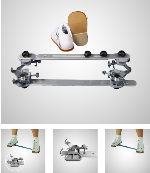
- Walking (gait) training within the parallel bars, supervised by a P&O professional or a physiotherapist
Gait training may continue for several days to several weeks, depending on your needs.
8. Final Checkout
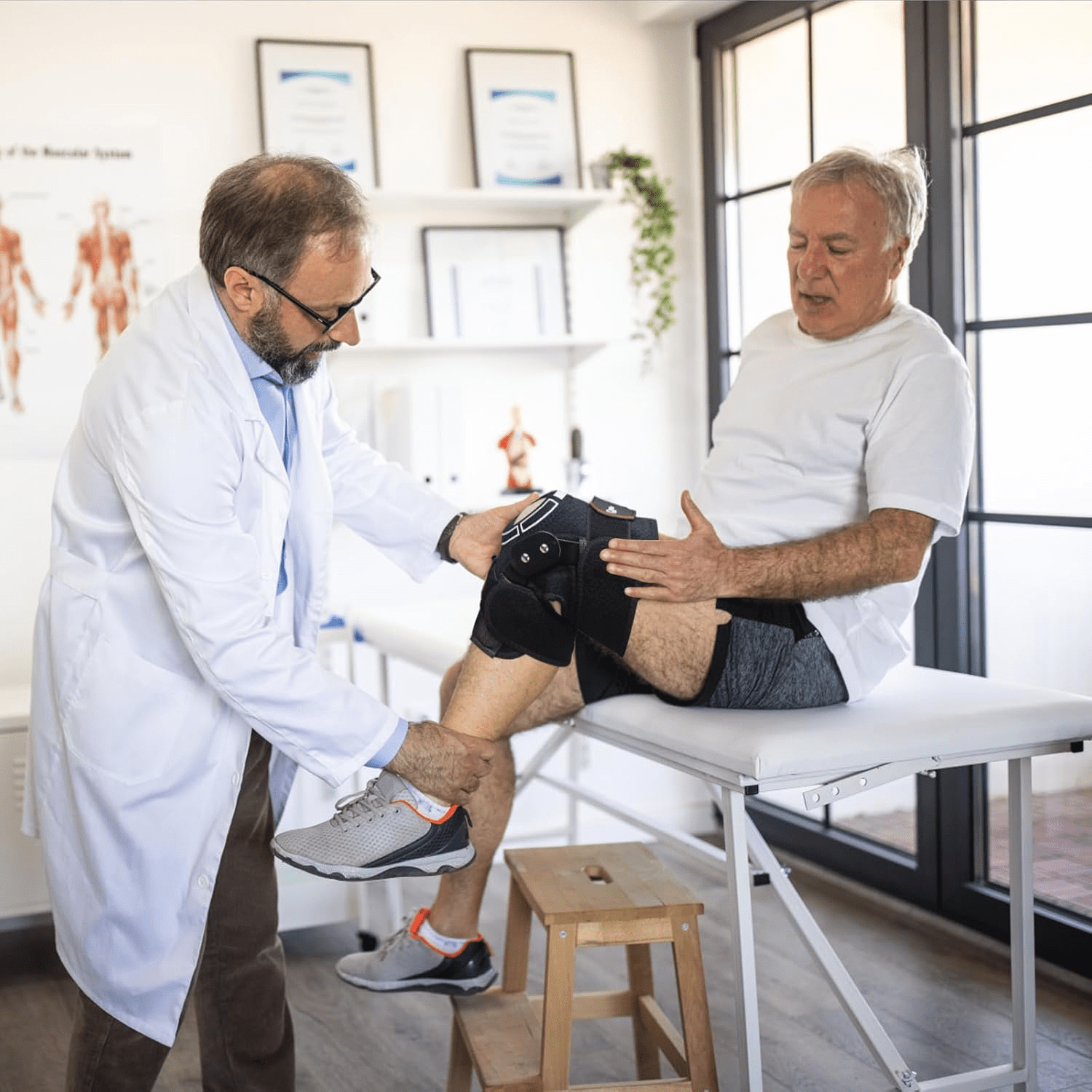
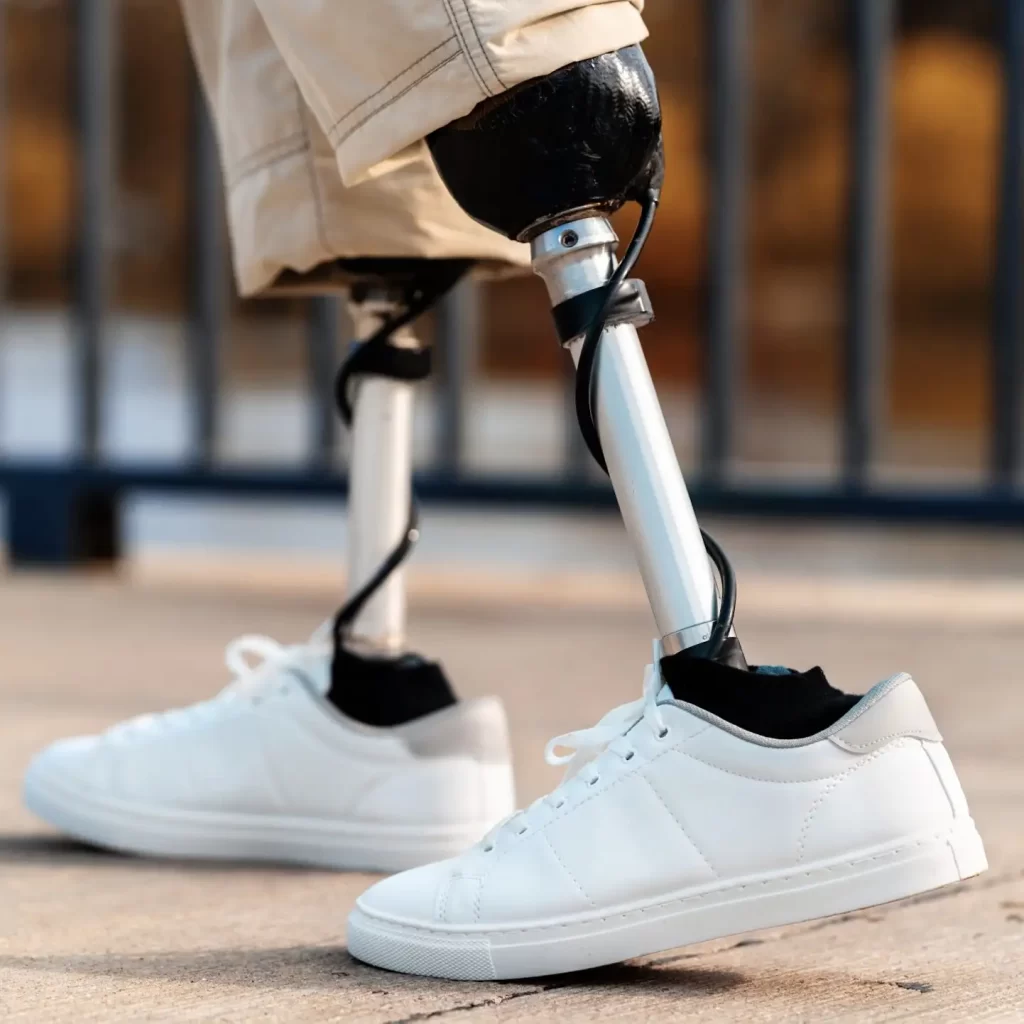
Once gait training is successfully completed and both you and your clinician are satisfied with the outcome, you will be cleared to use your prosthetic or orthotic device independently or with assistance.
You and your attendants will receive full guidance on device usage, maintenance, and overall care.
9. Follow-Up Care
Patients are encouraged to return for regular follow-ups, adjustments, repairs, or reassessments as needed. Follow-up intervals vary depending on each patient’s condition.
- Book a Consultation
Comece sua jornada com MRDC
Pronto para dar o próximo passo em direção à independência e a uma melhor mobilidade?